
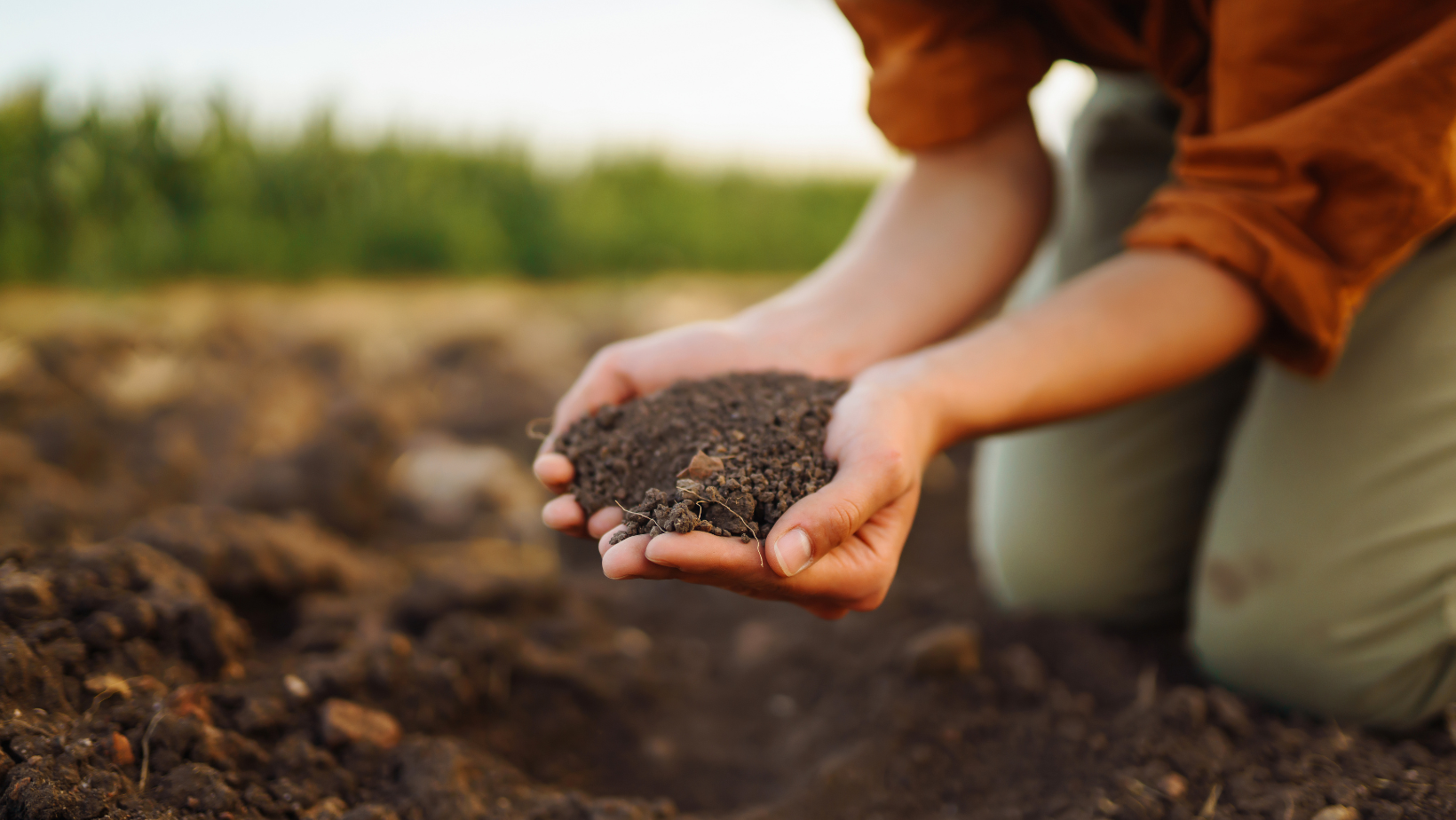
 Just like when you are building a home, when it comes to gardening, the foundation is paramount!
You can invest in the best seeds, with the perfect position for sunlight, and exactly enough watering. However, if your soil is not equipped to help your plants thrive, your gardening endeavours will fail. Soil is the literal bedrock of gardening, and more finicky than you might expect. Digging up some dirt won’t do your dreams justice. You need to be thoughtful and precise.
Here is how to give your garden a solid soil foundation:
First things first, you need to clear your garden beds of all debris. Live to Plant writes, “start by removing any debris from your garden bed — rocks, sticks, weeds, or old plant material. Weeds compete with your plants for nutrients and water, so it’s best to eliminate them completely before planting.” This step can be the most tedious, but it is essential. If you’re working in a space with no useable soil, lay down cardboard and then add store-bought soil on top of that.
Next you want to add key nutrients into the soil with organic matter. Great Garden Plans explains, “adding organic matter is perhaps the most effective way to improve soil structure and fertility. Organic matter can come from various sources, [including] compost, manure, leaf mold, [or] cover crops.” If you don’t happen to have any of these, you can purchase them from your local gardening center. Make sure not to add too much, just enough to build up the soil.
Once your soil is ready, you can add your plants--but this is not your final step! When everything is planted, a great option for helping retain moisture and keeping away pests is mulch. Green Drop notes, “when applying mulch, aim for a just-right thickness of about 2 to 3 inches. Too much can suffocate your soil, and too little won't fend off weeds or conserve moisture effectively. Be sure to keep mulch a few inches away from plant stems and tree trunks to prevent moisture-related diseases.”
Finally, keep an eye on not just the health of your plants as they grow, but the soil. Add fertilizers as needed, and remember that every garden is different. You may have to play around to find the best combination of supports for your soil. Again: this can be tedious, but the payoff is tremendous.
Happy planting!
(Image via Canva)
Posted by Ken Richter onEnjoy this blog post? Click here to subscribe for updates
Leave A Comment